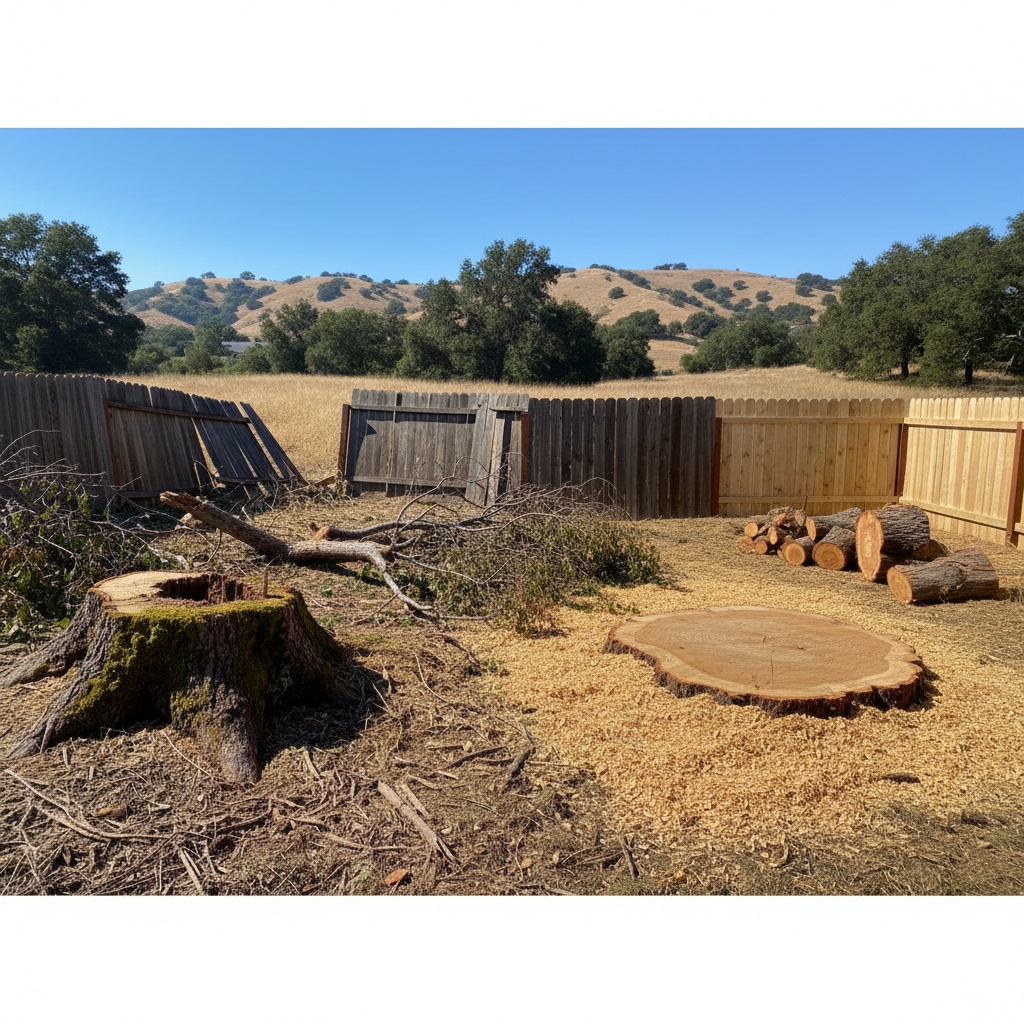
So, you've got a tree that needs to go. Maybe it's dead, diseased, or just too close to the house. Once Classic Tree or another crew takes it down, you're left with a big pile of wood and branches. What do you do with it all? You essentially have two main choices: have the crew haul everything away, or keep some or all of the debris on your property.
Option 1: Full Debris Haul Away
This is the most common request, and for good reason. When we say 'full haul away,' it means we cut the tree down, chip all the smaller branches and brush, load up the wood and chips, and take it all off your property. You're left with a clean slate, just the way it was before the tree grew there.
Cost: This is almost always the more expensive option. Why? Because it involves more labor, more equipment time (chippers, trucks), and disposal fees. We have to pay to dump that material, and that cost gets passed on. Think about it: it's not just cutting the tree, it's handling every piece of it twice – once to cut, once to load and haul.
Convenience: Unbeatable. You don't lift a finger. You come home, and the tree is gone, and so is the mess. If you're busy, don't have a truck, or just don't want to deal with a mountain of wood, this is the way to go.
Appearance: Your yard looks tidy immediately. No piles of wood or chips to deal with. This is especially good if you're trying to sell your house, or just want a pristine landscape.
Maintenance: Zero. Once it's gone, it's gone. No need to worry about stacking wood, spreading chips, or anything else.
Option 2: Leave Debris On-Site (Wood & Chips)
This option means we still cut the tree down and process it, but instead of hauling it away, we leave the wood and/or chips on your property. This can look different depending on what you want.
- Leave the wood for firewood: We'll cut the trunk and larger branches into manageable lengths (usually 16-20 inches) and stack them neatly for you.
- Leave the wood for milling/crafts: If it's a valuable species, you might want to mill it yourself or have a craftsman use it. We'll cut it to your specified lengths.
- Leave the chips for mulch: We'll chip all the brush and smaller branches and blow the chips into a designated area.
Cost: This is almost always the more affordable option. You're saving on labor, truck time, and disposal fees. The bigger the tree, the bigger the savings. For a large oak in the Hayward hills, this could be a significant difference.
Convenience: Less convenient than a full haul away, but still pretty good. You'll have to deal with the wood or chips yourself eventually, but at least it's on your property and not scattered everywhere.
Appearance: Initially, it's not as clean. You'll have piles of wood or chips. How long it stays that way depends on how quickly you put it to use. If you're planning a big landscaping project, a pile of chips might not bother you for a bit.
Maintenance: You'll have some work to do. Stacking firewood, moving chips, spreading mulch. But this can also be seen as a benefit if you're into gardening or have a wood stove.
My Recommendation for Hayward Homeowners
Here in Hayward, especially with our clay soils, mulch is a fantastic thing to have. It helps retain moisture, suppresses weeds, and slowly adds organic matter back into the ground. If you've got garden beds, fruit trees, or just areas you want to keep weed-free, having us leave the chips is a smart move. You're getting free, high-quality mulch that would cost you a pretty penny at a garden supply store.
If you have a fireplace or a wood-burning stove, leaving the wood for firewood is a no-brainer. You're saving money on the tree removal and getting free fuel for winter. Just make sure you have a good, dry place to stack it.
For most folks, I'd say consider a hybrid approach. Have us chip and leave the mulch, especially if you have a decent-sized yard. If the tree is huge and you don't need the wood, then a full haul away might be worth the extra cost for the sheer convenience. But don't just automatically assume you need everything gone. Think about what you could use.
Ultimately, it comes down to your budget, your needs, and how much work you're willing to do yourself. Talk to your tree service – like us at Classic Tree – and we can walk you through the options and give you a clear breakdown of the costs for both scenarios. We're here to help you figure out what makes the most sense for your property.